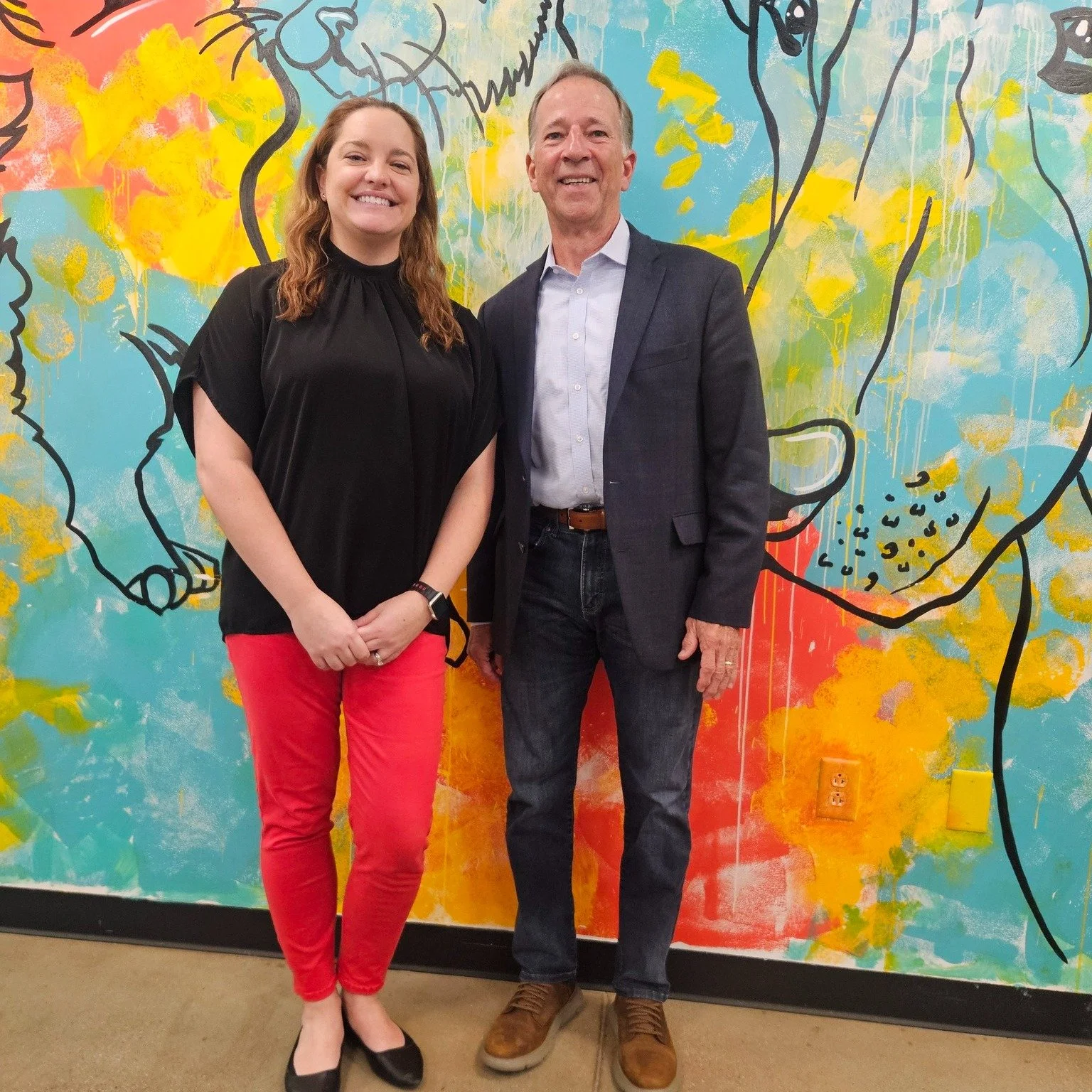
Sara Bradley incorporates connection into the earliest years of learning
The executive director of York Day Early Learning believes that students need to feel that they are noticed long before they enter high school, middle school, or even kindergarten.
When educators are better able to listen, reflect, and connect, families feel the difference, staffers feel the difference, and students, even as young as 3, feel the difference.
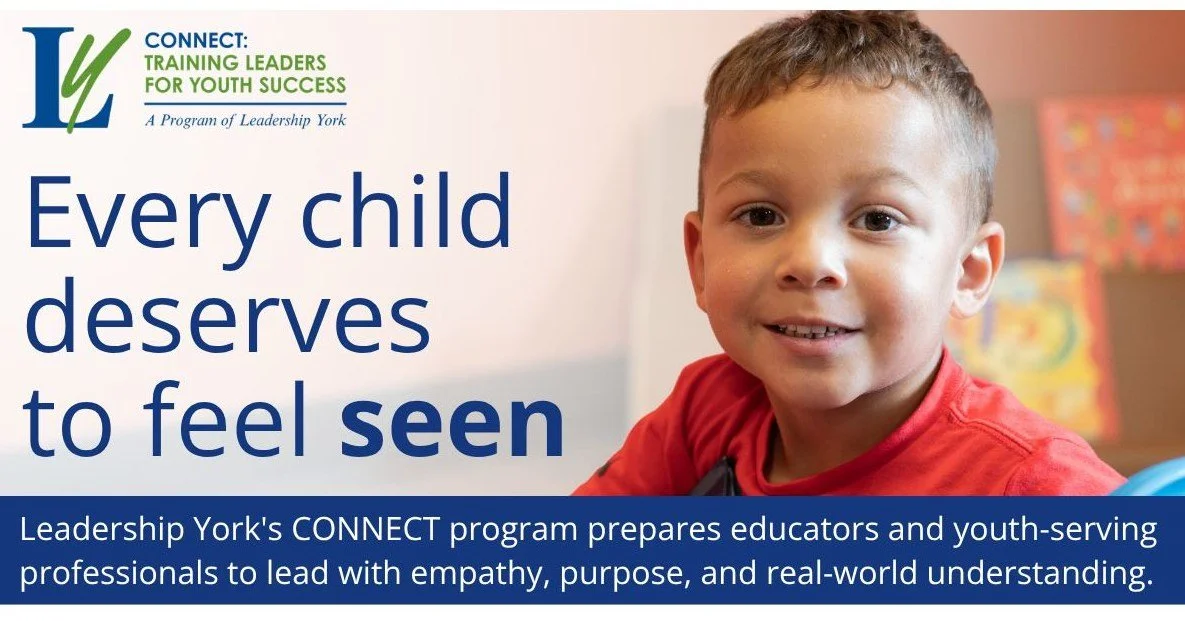
That belief is at the core Leadership York’s program to equip educators with the skills they need to make better connections with those around them—even the youngest of learners.
At York Day Early Learning Center, where Sara Bradley serves as executive director, children are learning to name their feelings, trust adults, engage with peers, and participate in a classroom. Sara realizes how deeply connection shapes learning. Even in preschool, a student can act out or disengage if he or she doesn’t feel recognized or understood.
Sara also is a board member at Lincoln Charter School, which has shaped her perspective across multiple levels of education. Whether she is connecting with preschoolers, elementary students, teachers, families, or school leadership, she embraces the core belief that people perform better when they believe they are valued and understood.
“I went into education because I really feel like every good educator tries to be the person they needed when they were a kid,” she says.
Behaviors as communication
For younger children, feeling disconnected might manifest itself by hiding in a corner, refusing to participate, hitting classmates, throwing objects, or flipping chairs. While those behaviors can be disruptive, Sara sees them as attempts to communicate.
A child might be asking for comfort or security in the only way he or she knows how.
When that happens, the impact affects the whole classroom. Teachers trying to engage many children at once can be pulled away by one student exhibiting negative behavior. Classmates might feel unsettled or unsafe. The curriculum becomes harder to implement. Learning slows because relationships need attention first.
That is where Leadership York’s programming can make a powerful difference.
Time and ability to reflect and learn
Leadership York’s program gives educators time and the structure to reflect on their practices, learn from their counterparts, and think about how to build relationships with students and families. For Sara, going through the Leadership York educator program did not only affect how she approaches educating children but shaped how she deals with her team.
“What I really took away from the leadership of our programs is to really reflect on how I lead staff,” she says.
Sara’s role is to support teachers in the classroom. Through Leadership York’s training, she learned how important it is for staffers to believe that they, like students, are seen, heard, and appreciated. When teachers feel supported, they are better equipped to help children and families.
Supporting the educators
Leadership York lessons have become part of how Sara guides her team. She says the skills she took from Leadership York helped her train teachers to better connect with families and children in the classroom.
She also sees the relevance of that training beyond early learning. As a school board member, she believes every adult who works with children has a role in building relationships, whether as a teacher, administrator, coach, or board member.
“Every student deserves to have that one adult that they can feel safe with,” Sara says.
For school boards and administrators considering whether to invest in sending educators to Leadership York’s Connect program, Sara points out that participation can strengthen the culture of an entire school.