Dominick Hezekiah leads by forming relationships at York Academy
For the Dean of Students, education begins long before pupils open a textbook, complete an assignment, or walk into his office. The Leadership York program graduate believes that success results from students feeling that they are known to teachers and administrators.
Dominick Hezekiah often works with students when they face challenges, when their grades are falling or when attendance is slipping, and when their behavior is becoming disruptive. He doesn’t believe those moments tell the whole story.
That’s when Dominick leans on the knowledge he gained at Leadership York, where programming is designed to help educators address student challenges. Through reflection, conversation, shared learning, and practical strategies, Leadership York helps educators step back and think deeply about how students experience the classroom, their community, and the adults around them.
The Leadership York experience reinforced a belief Dominick already held, that relationships are the foundation of quality education.
“Leadership York’s program has helped me lead with more empathy, be more direct and intentional,” he says.
Leadership in the classroom, on the field
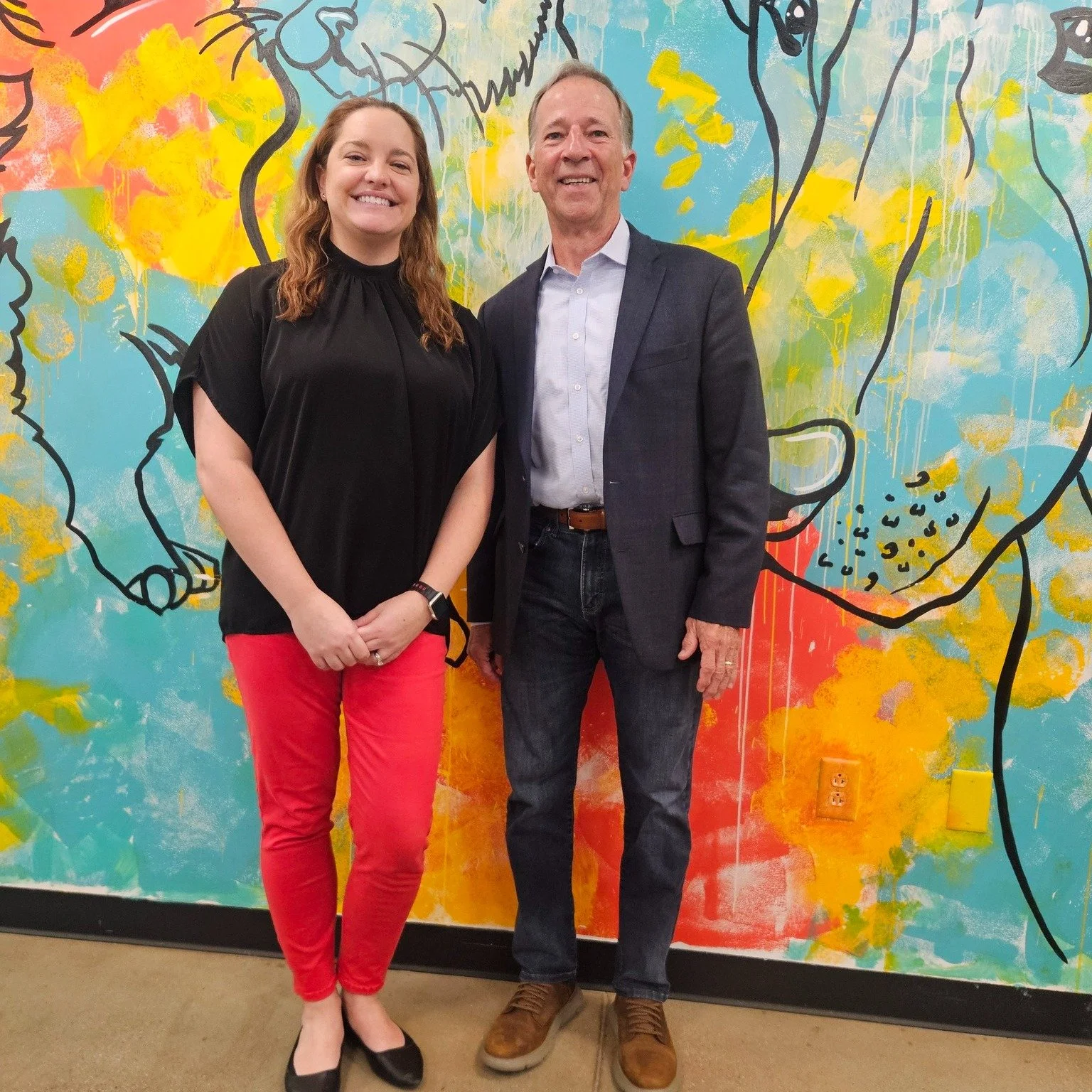
As dean of students for the Upper School at York Academy Regional Charter School, a local football coach, and a 2025 graduate of Leadership York’s educator program, Dominick brings a relationship-first approach to his work with students.
His service in the education field did not begin in a traditional classroom. Before taking his current post, he worked in the Children & Youth Agency of Lancaster County’s Youth Intervention Center.
That experience shaped how he views student behavior. When a student is struggling, Dominick looks beyond the immediate situation and asks what might be happening beneath the surface.
“I believe that every student deserves somebody in the building who truly sees them as more than just the student that walks through the door,” he says.
Expanding an educator’s toolbox through Leadership York
When discipline is needed, relationships make a difference. Students are more likely to view the action as a correction rather than a consequence when they know it comes from a caring source.
Dominick also appreciates the way the Leadership York program brings educators together. It reminds them that they are not alone in the challenges they face. The situations happening in one classroom, school, or district often are happening elsewhere.
“Students who don’t feel seen or understood, those type of students tend to disengage,” Dominick says.
That is why connections matters, not only for an individual student but for the entire classroom. When a student is disconnected, teachers must balance that student’s needs with those of every other student in the room. Doing so takes time away from instruction, adds stress to an already demanding profession, and can make educators feel as if they are shouldering yet another responsibility without enough tools or support.
Practical strategies for educators
For school leaders considering whether to support educators going through the program, Dominick points to its clear value. Leadership York offers practical strategies that educators can use right away while helping them better understand the students and communities they serve.
“I think that it helps them become better leaders,” he says.
For Dominick, leadership is not abstract. It happens in hallways, offices, classrooms, and on the football field. Leadership through connection emerges whenever an educator chooses to pause, listen, and see a student as more than a behavior, a grade, or a file.
It happens when students realize that someone is paying attention to them.